A running toilet wastes water, increases your utility bill and is almost always caused by one of three internal mechanisms inside the tank. Ontario homes use all three types, so this guide helps you identify your toilet and fix the issue based on its specific design.
1. Flapper + Ball Cock Toilets (Older Style)
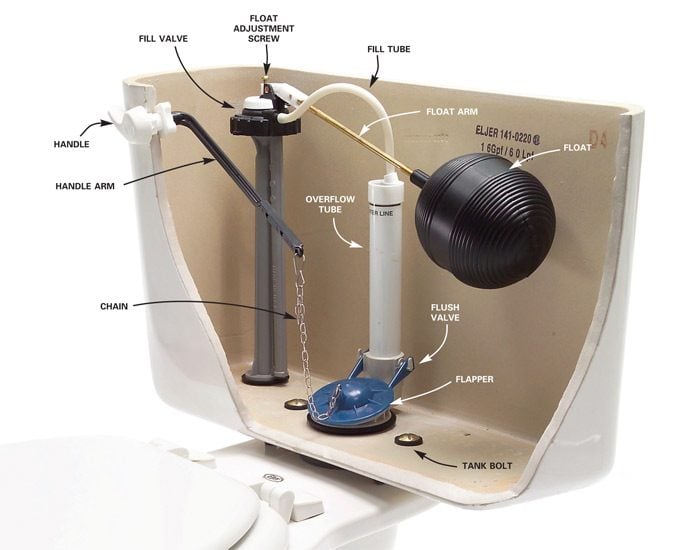
How to Identify This Type
This classic design is common in older Ontario rentals and detached homes. You’ll see:
- A large black ball float attached to a metal arm
- A rubber flapper at the bottom of the tank
- A simple fill valve with screw adjustment on the top of the water tower
- A long chain connecting the handle arm to the flapper
If you see a big floating ball, you’re in the right section.
Common Symptoms
- Constant trickling sound
- Water level rising too high
- Flapper not sealing
- Chain too tight or too loose
- Toilet runs for several seconds after flushing
Likely Causes
- Worn or warped flapper
- Float arm set too high
- Chain tension incorrect
- Fill valve diaphragm worn out
- Hard water mineral buildup (very common in Ontario)
How to Fix It
- Remove the tank lid
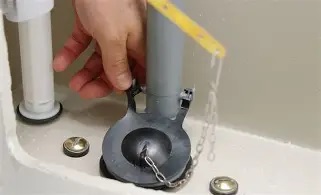
- Inspect the flapper
- Replace if brittle, warped, or not sealing
- Adjust the chain
- Leave a small amount of slack (about the width of a loonie)
- Lower the float arm
- Bend the metal arm slightly downward to reduce water level
- Clean mineral buildup
- Use vinegar on the flapper seat and overflow tube
- Replace the fill valve
- If the toilet still runs, the fill valve diaphragm is likely worn
2. Float‑Cup Fill Valve Toilets (Modern Style)
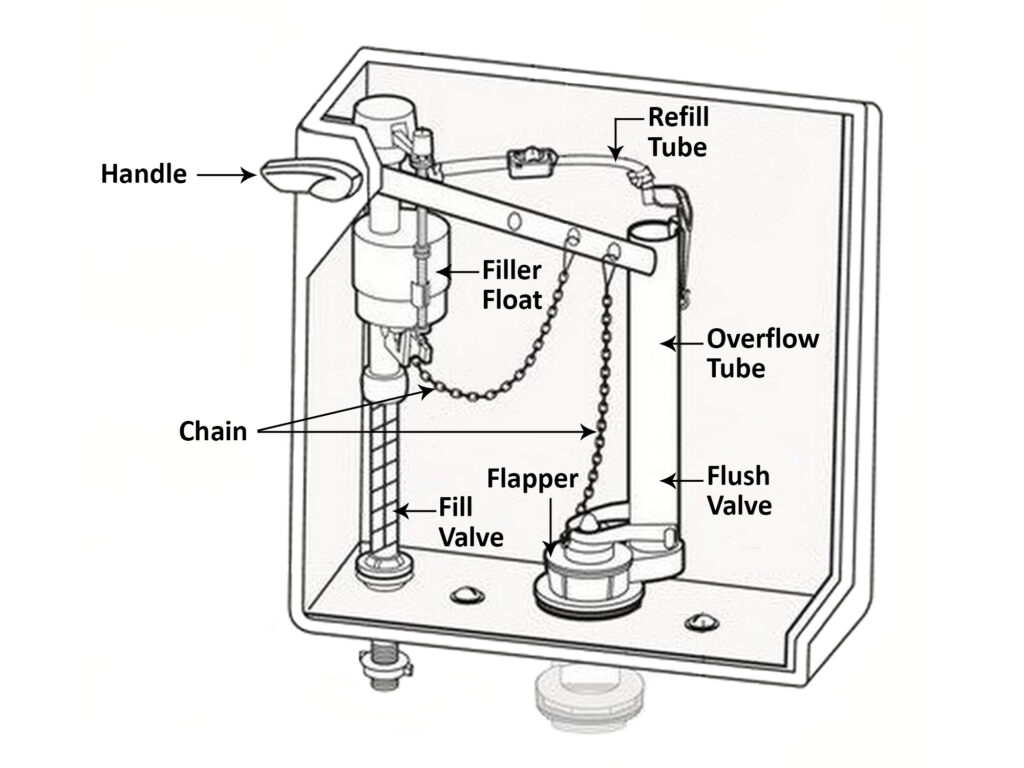
How to Identify This Type
This is the most common toilet design in Ontario homes built after 2000. You’ll see:
- A plastic float cup sliding on a vertical shaft
- A modern fill valve with a height adjustment screw sometimes, under a cap
- A rubber flapper at the bottom
- A small refill tube clipped to the overflow pipe
If there’s no ball float — just a sliding cup — this is your toilet.
Common Symptoms
- Water constantly running into the overflow tube
- Float cup sticking
- Water level never reaching shutoff
- Hissing or sputtering noises
- Toilet runs for 5–10 seconds after flushing
Likely Causes
- Float cup height set too high
- Worn diaphragm inside the fill valve
- Hard water deposits (very common in Ontario)
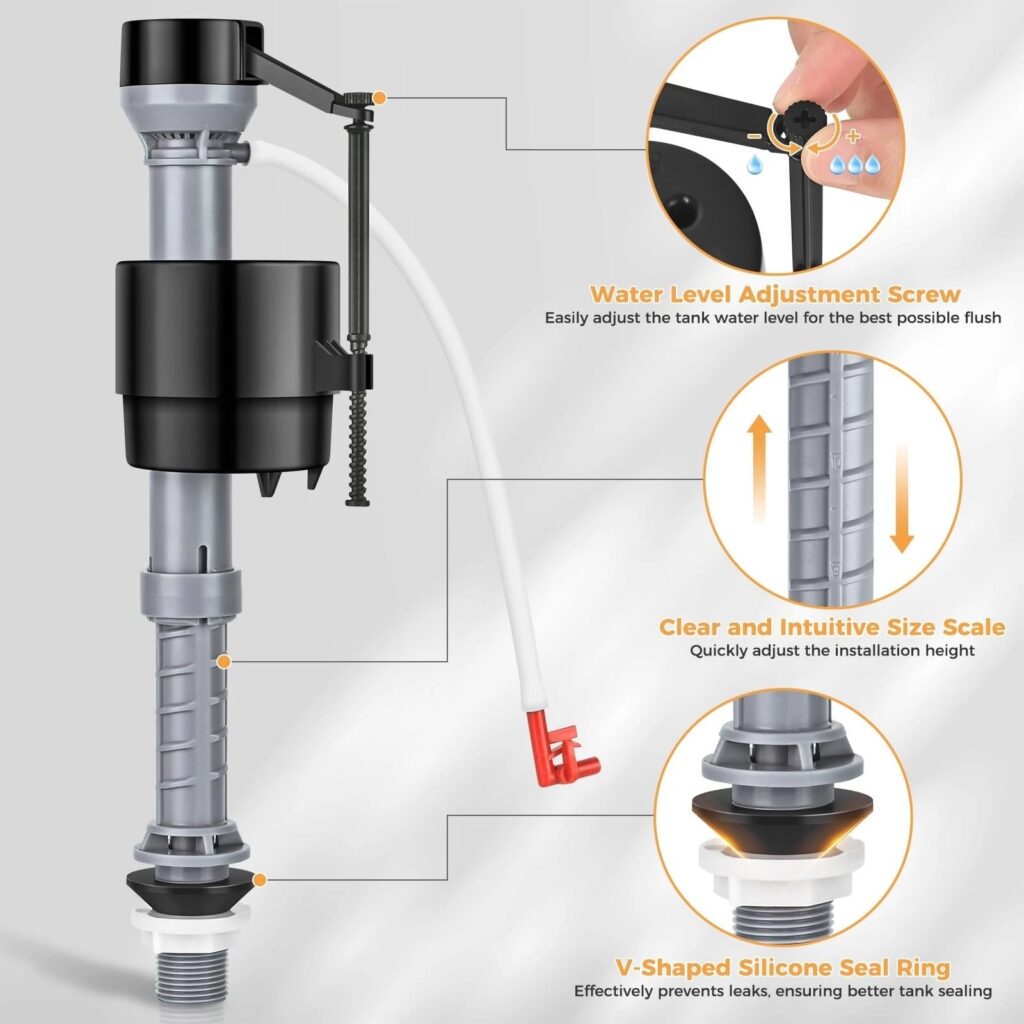
How to Fix It
- Lower the float cup
- Turn the Phillips screw clockwise or use the side clip
- Clean the shaft
- Wipe mineral buildup with vinegar
- Check the refill tube
- Ensure it’s clipped properly to the overflow tube
- Inspect the flapper
- Replace if worn or not sealing
- Replace the fill valve
- If hissing continues, the diaphragm is worn
3. Pressure‑Assist Toilets (Gerber, Sloan, American Standard)
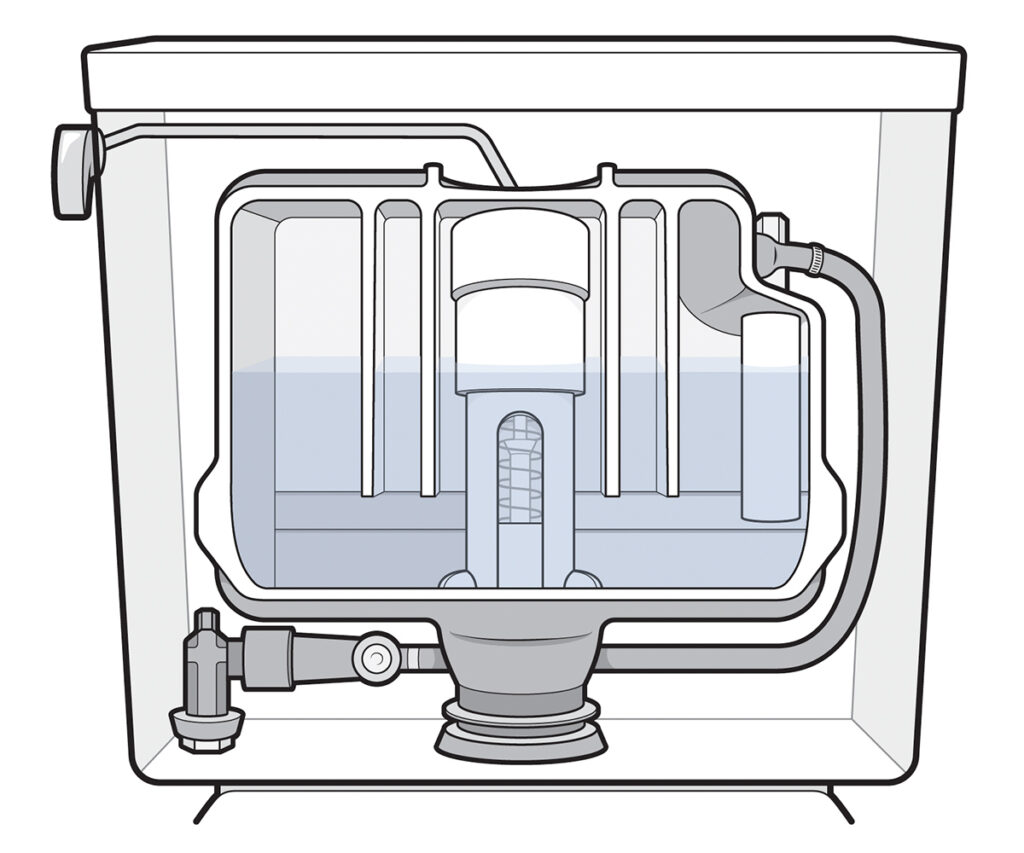
How to Identify This Type
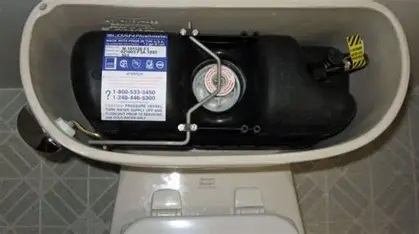
These toilets use a sealed pressure tank inside the toilet tank. You’ll see:
- A large pressure vessel instead of water
- No traditional flapper
- A loud, powerful flush
- Common in condos, commercial units, and newer builds
Sounds of malfunction
- Constant hissing
- Water leaking into the bowl
- Weak flush
- Tank not recharging properly
- Occasional “air burst” noises
Common Reasons
- Loose bolts
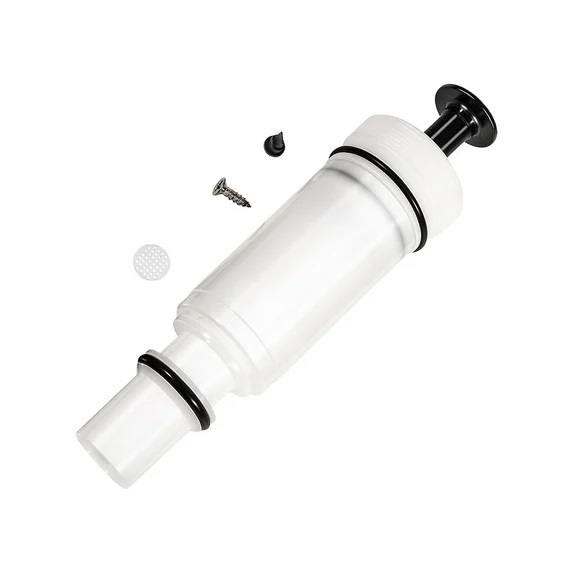
- Worn internal cartridge
- Pressure vessel seal failure
- Air‑water balance issues
- Age‑related wear
Likely Causes
How to Fix It
- Inspect the pressure vessel
- Look for cracks, leaks, or moisture
- Replace the internal cartridge
- This is the most common fix
- Replace seals
- Worn seals cause hissing and slow recharge
- Tighten pressure tank bolts
- Replace the entire pressure module
- If the vessel is cracked or the system is failing
Ontario‑Specific Notes
Ontario homes often have:
- Hard water, causing mineral buildup
- Older rental units with ball‑cock systems
- Newer condos with pressure‑assist systems
Cleaning parts with vinegar dissolves mineral deposits.
🧰 When to Call a Plumber
Call a professional if:
- The pressure tank is cracked
- The flush valve assembly is damaged
- The toilet continues running after replacing the flapper and fill valve
- Water is leaking onto the floor