Ontario Homeowners Guide
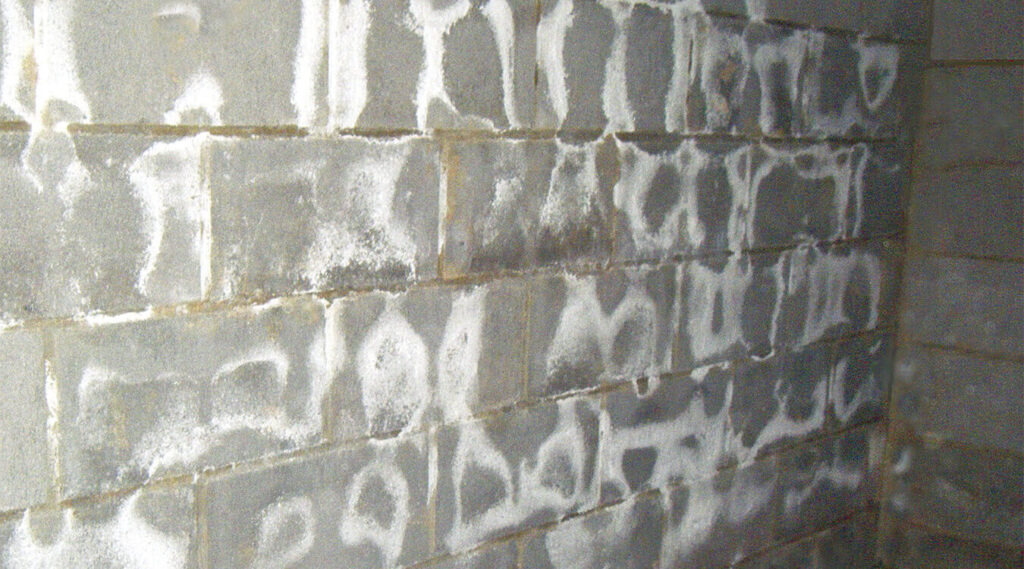
Efflorescence is one of the most common basement wall issues in older Ontario townhouses. Time causes the outside ground to settle and drainage pipes to clog, allowing the yard water table to rise during rain. Settling of the concrete foundation causes cracks which leech water to the inside, drawing calcium out of the concrete as it flows. Evaporation of the water on the inner walls leaves white powdery deposits called Efflorescence. Efflorescence itself is harmless and easy to remove, however the cause must be fixed or the residue keeps building
What Efflorescence actually is
Efflorescence forms when calcium Ca2 leeches out of the concrete due the water and binds with Carbonate CO3-2, from the air of the basement. Although Calcium itself is not a salt it is considered a salt after binding with Carbonate. Salts in chemistry are formed when a positive ion (cation) and a negative ion (anion) are bonded together
Ca2+ + CO32- = CaCO3
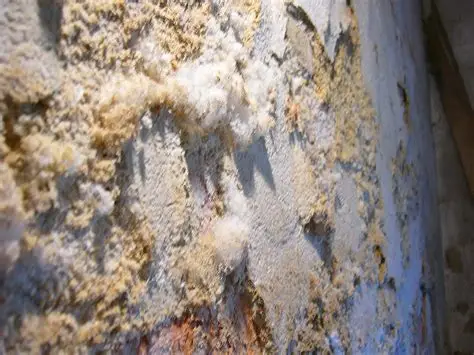
What Efflorescence can look Like
- White powder
- Chalky residue
- Crystalline flakes
- Light grey patches
- Dusty film on concrete
Efflorescence (calcium carbonate) occurs in nature as chalk, limestone and eggshells. Scale is the process of calcium carbonate formation when water carrying dissolved calcium evaporates and leaves the calcium “scale” behind. Your kettle and coffee maker produce the same deposits through this process. As well, tums the antacid, is predominately calcium carbonate refined and with flavor
Why Efflorescence occurs in Ontario
Ontario homes commonly experience leaks causing efflorescence because of;
- Predominately clay soils producing high groundwater levels and slow drainage
- Poor grading or settling around townhouses causes water to pool
- Short downspouts that dump water near the foundation
- Garbage in window wells slowing drainage
- Seasonal freeze/thaw cycles– enlarging foundational cracks
- Summer humidity entering cool basements
- Concrete that naturally wicks moisture thru capillary action
Efflorescence itself is not harmful
However it its a warning sign that moisture is present and your gonna have to deal with the water leakage before;
- Mold
- Structural damage
- Spalling concrete
- Rusting metal
- Damp smells
- Paint failure
- an uncomfortable environment
How to remove Efflorescence
Tools you will need;
- Filter mask and eye protection
- Putty knife
- Vacuum cleaner w/ fine filter
- Stiff brush
- Vinegar and water (50:50)
- Mop or towels for floor
Steps for cleaning
- Ensure the area is dry
- Put on the dust mask and eye protection
- Scrape the wall using the putty knife
- Use the stiff brush and vinegar (pickling strength- 5%) to dissolve the remaining deposits on the wall
- Allow the area to dry use fan if available
- Paint with masonry waterproofing paint ONLY after fixing water leak
Efflorescence will return unless you fix the source of the leak
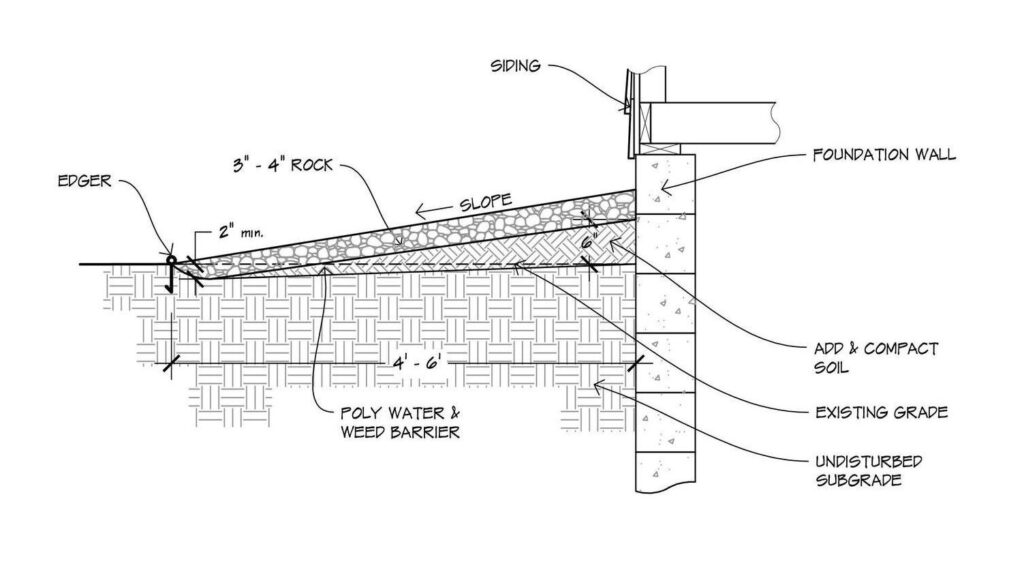
Basement leaks usually originate outside of the house and require that;
- Ground is higher at the house with the grade sloping down (1″ rise over 4′ run)
- Clay soils near the house can ensure minimal absorption of water and maximum runoff
- Gutter downspouts extend further out from the house
- Clean window wells as debris stops drainage and allow for foundation absorption
- Big O drainage pipes underground an around footing are not clogged (which can require alota digging)
- Cracks in foundation (inside and out) are sealed
This process is discussed further under Basement Leaks
When to Call a Professional
Call a pro if:
- Efflorescence keeps returning
- You see structural cracks
- Water enters during storms
- Mold is visible
- Humidity stays above 60%
- You suspect drainage failure