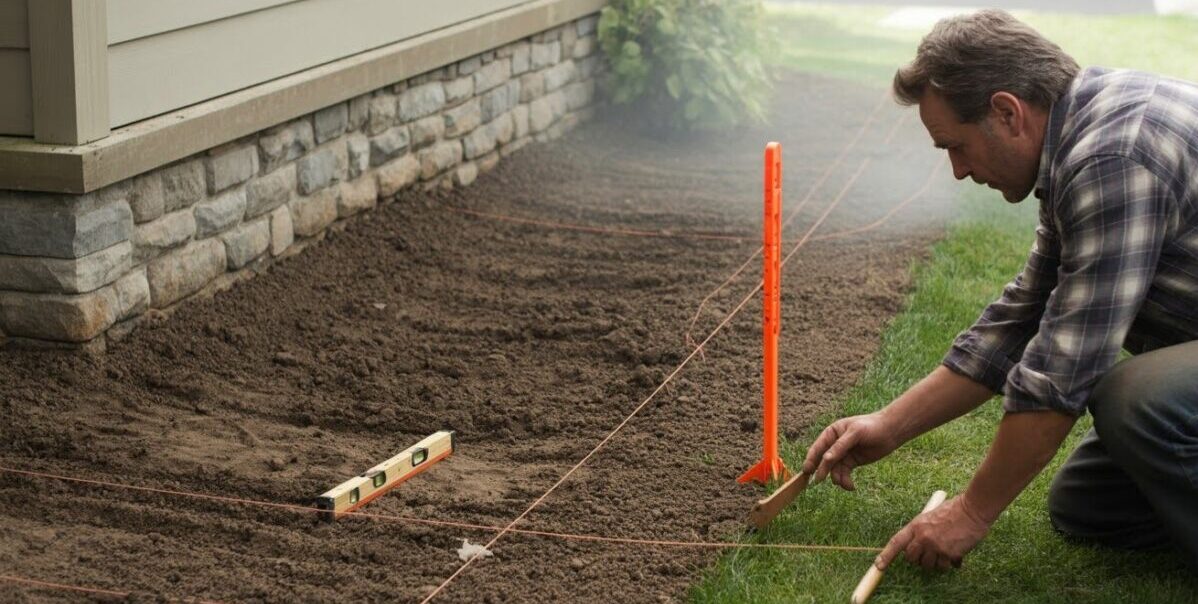
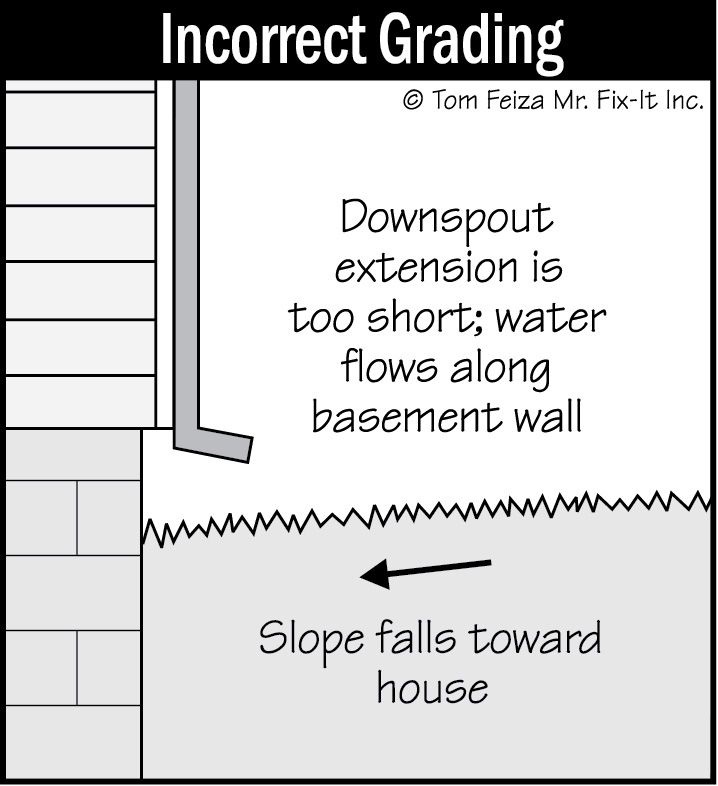
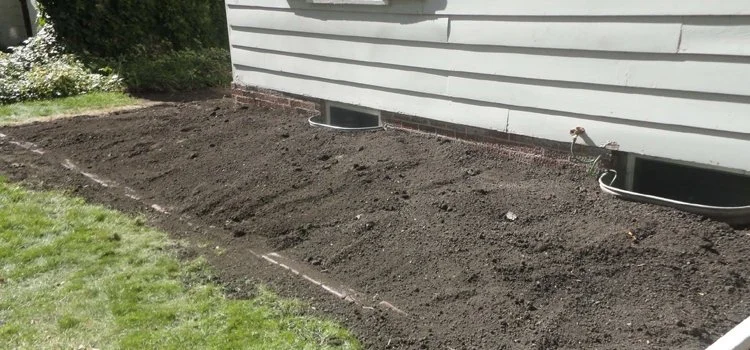
Yard Grading is modifying the horizonal angle of your lawn or yard. So as to have the ground level higher at the house allowing the rain to run to the outside of the yard before it absorbs into the ground
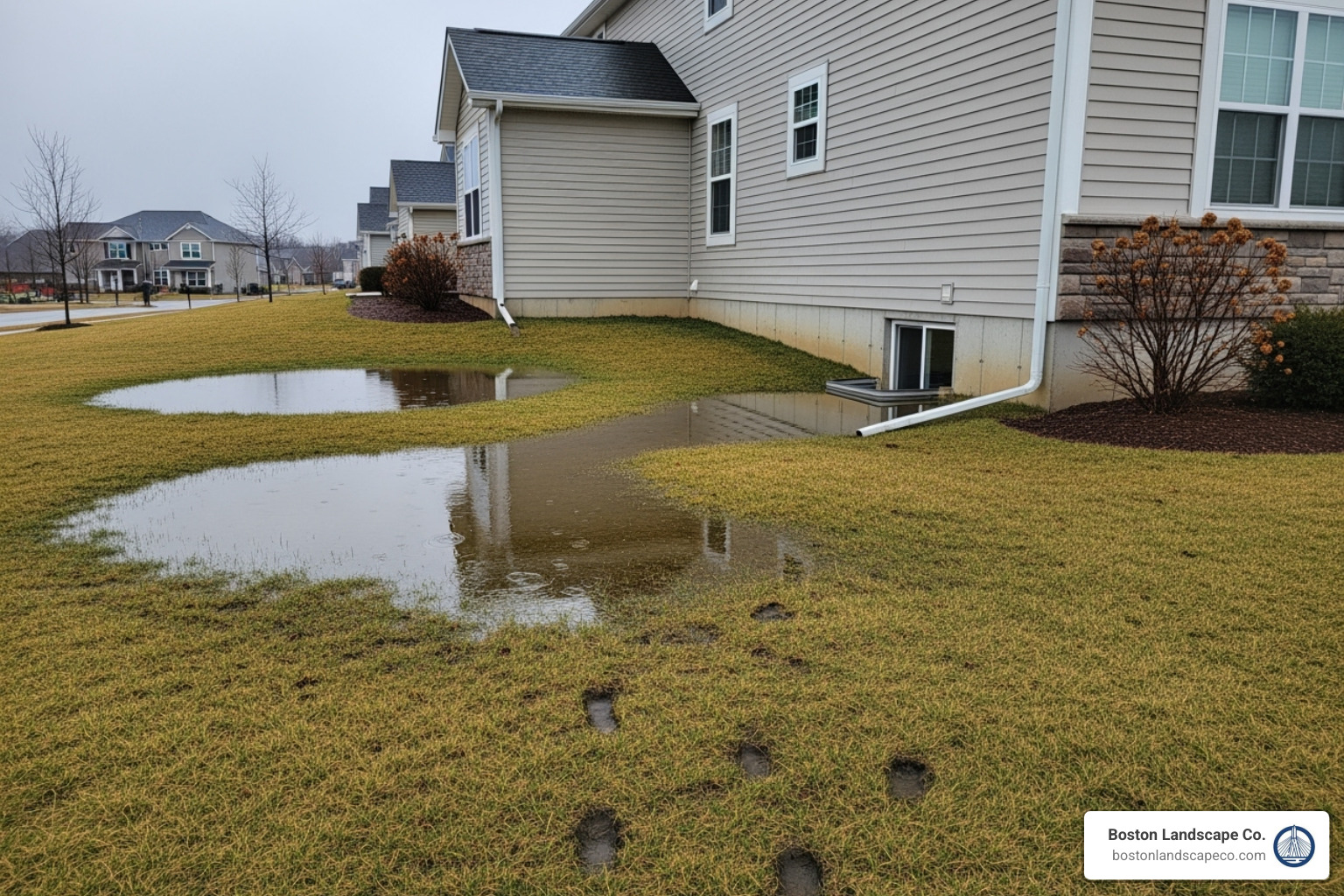
Most Ontario homes sit on dense clay soil which absorbs water slowly. When the ground slopes toward the house and surface rain pools near the foundation, there is more seeping water available for leaks.
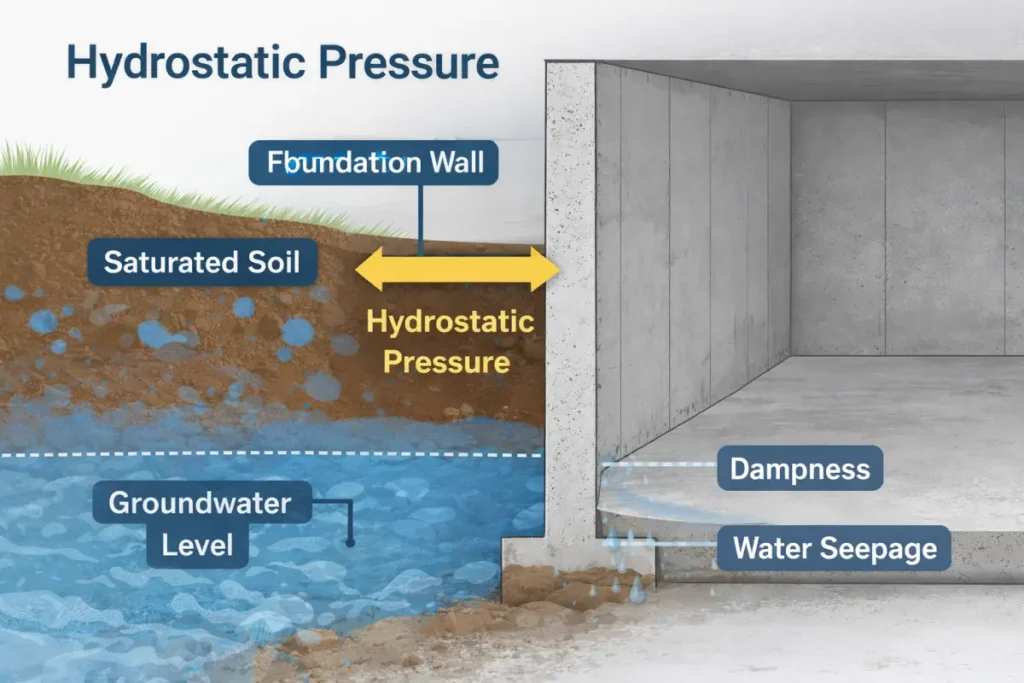
When rain soaks the soil around a foundation and the water can’t drain away fast enough, the pores in the soil fill with water. That water behaves like a fluid pressing in all directions, including sideways against the foundation and upward under the slab.
Higher water static pressure in the ground makes it easier for the water to be pushed thru the pores in your foundation. Water always takes the path of least resistance to find an equal pressure balance on both sides.
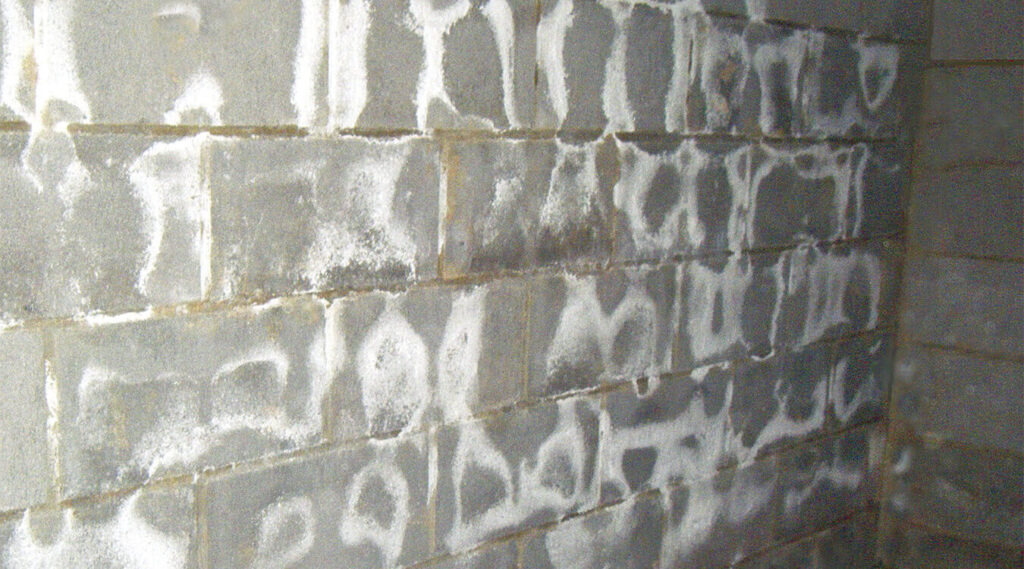
Which causes; leaks, humidity, musty smell, mold and efflorescent problems in your basement
How to Fix it
Its always best to start with the fix thats the easiest and most moderately priced
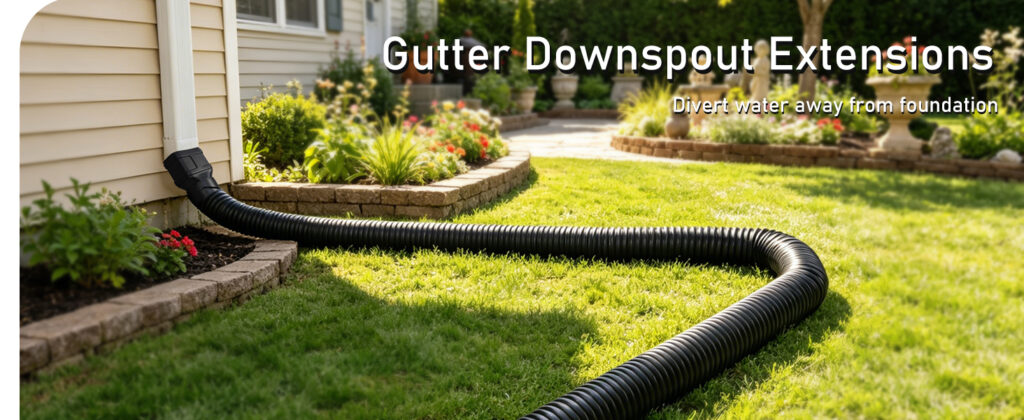
1)Downspout extensions
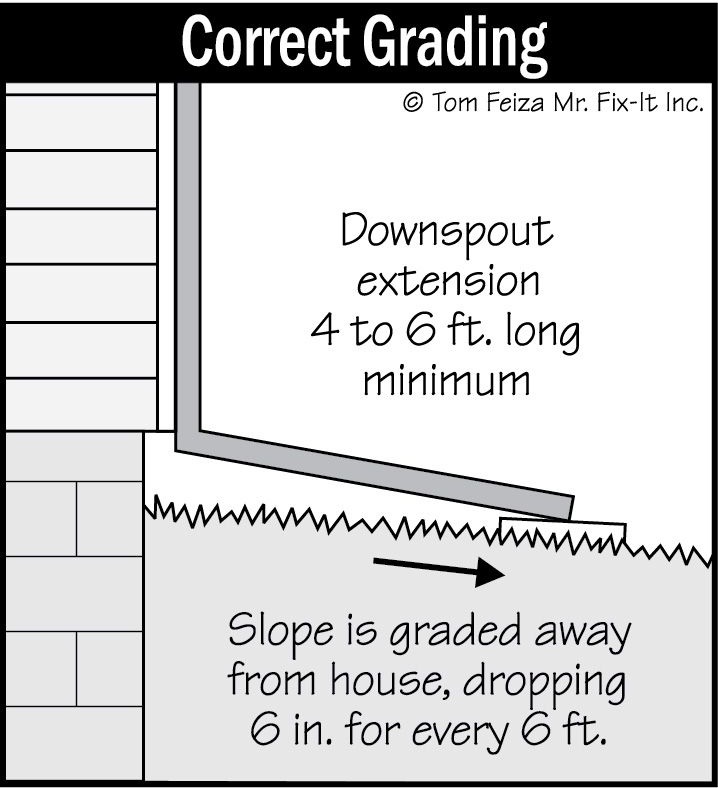
Can keep much of the roof rain draining away from your foundation. If not a tripping hazard it should extent to the edge of the property and ideally to a rain collection drain or ditch in rural areas
2)Grading the area will include;
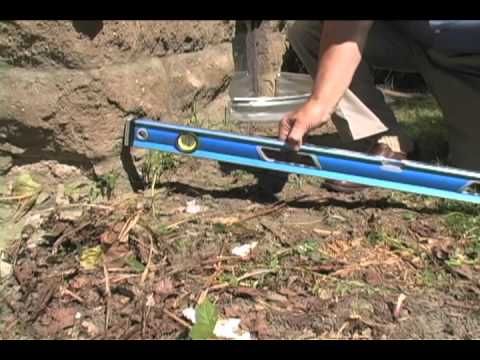
Walking the perimeter after a rainstorm.
Identify low spots, areas where water pools, or places where soil slopes toward the house.
Note any spots where downspouts dump water too close to the foundation
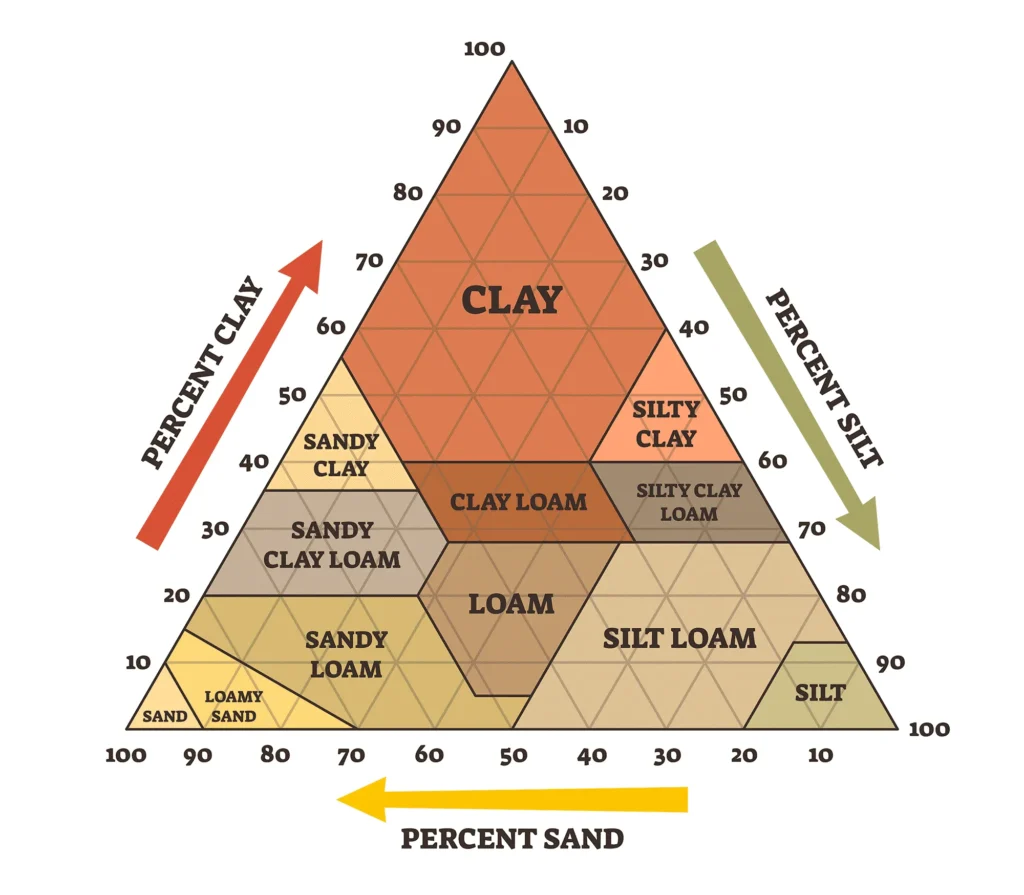
Clay is used to prevent water from seeping into the ground close to the house. It is pasty, very dense and is mixed with a blend of soils to be workable,
use 40-60% clay content
mixed with silt, fine sand and sometimes a bit of gravel
Building a high clay “Buffer Zone” round the house can take time but works well
Compact it firmly — loose soil settles and loses slope.
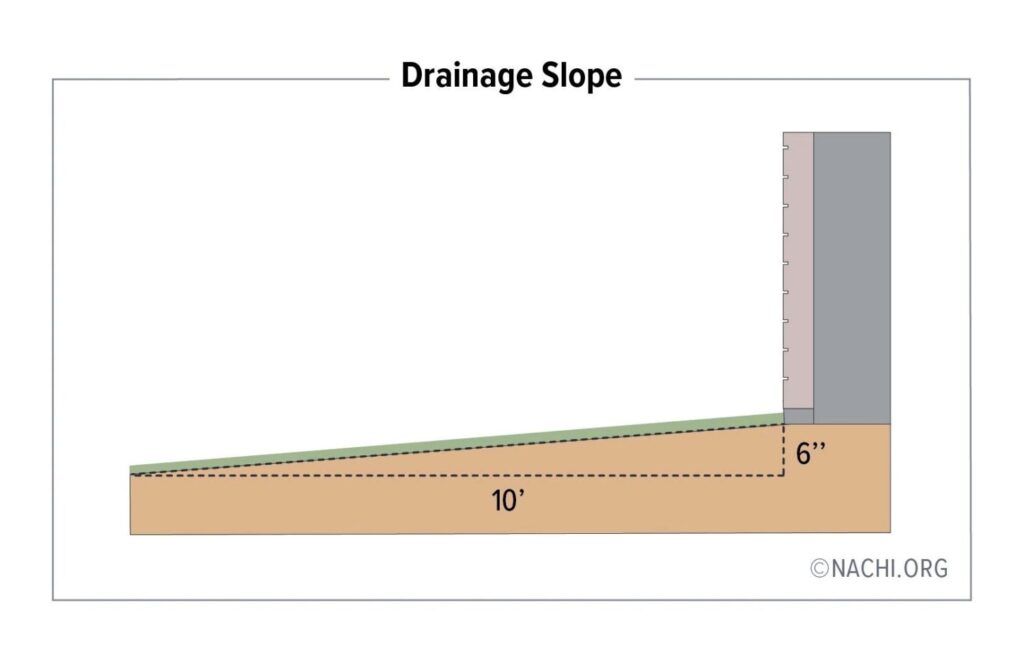
Extend the slope outward at least 6–10 feet.
water resistance of clay but the workability of soil.
Labor Options
Dumping many bags of clay soil around the foundation, and spreading it yourself
Having a contractor bring a load and spreading it yourself, or
Asking a contractor to do the complete job
Required Slope for Proper Drainage
The industry standard is a 5% slope,
meaning 6 inches of drop over 10 feet away from the foundation.
This prevents water pooling, hydrostatic pressure, and soil erosion.
If you find after extending the down spout and grading the soil, there is still evidence of water NOT being drained, a more time consuming and expensive fix could be needed,
such as;
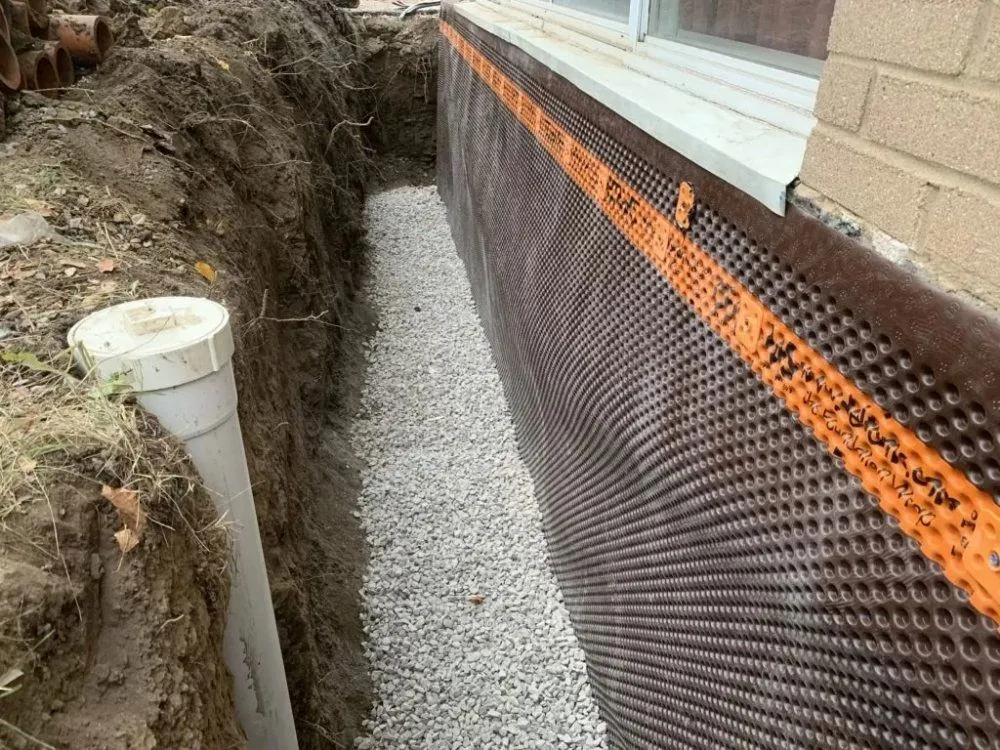
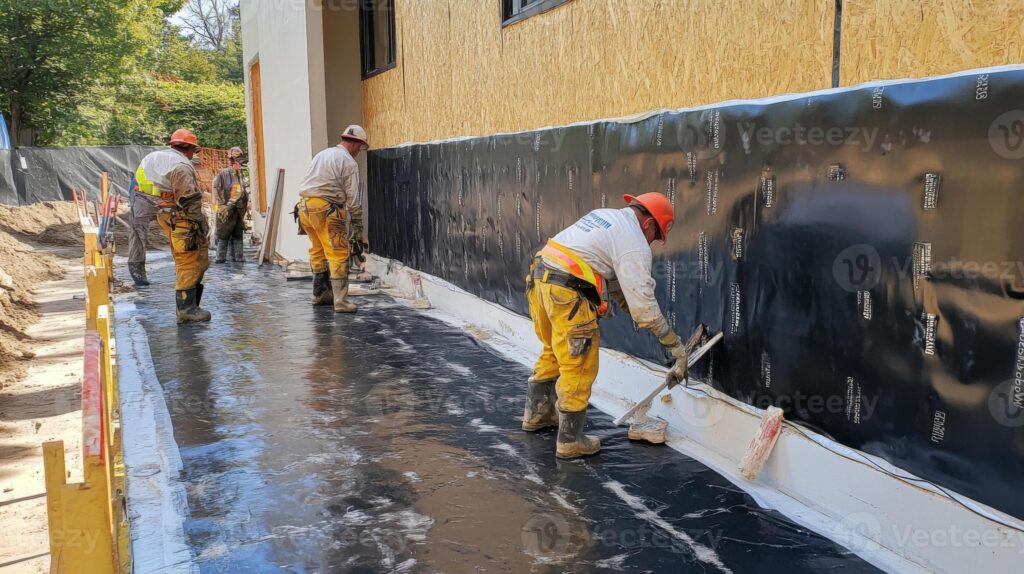
3)Foundation Waterproofing Membrane
Dig a trench app 3′ out from the foundation and down to the footing
Install a plastic membrane, secure it and water seal it to the basement wall
Backfill with clean bigger gravel to allow for quicker surface drainage
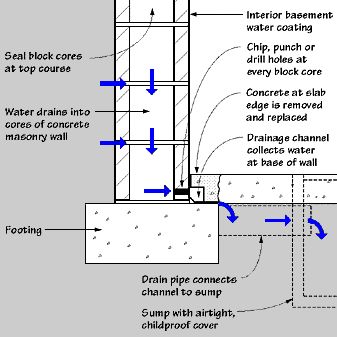
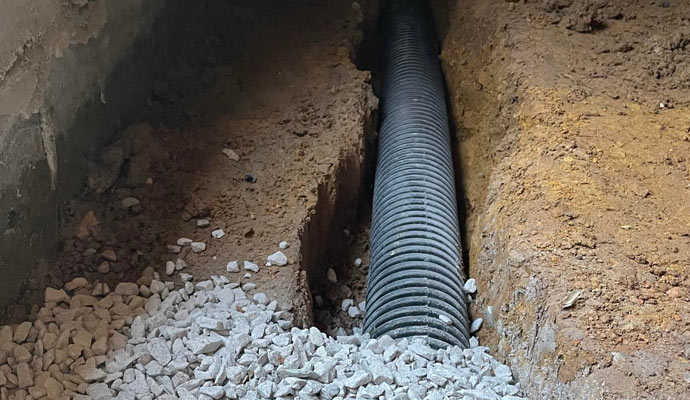
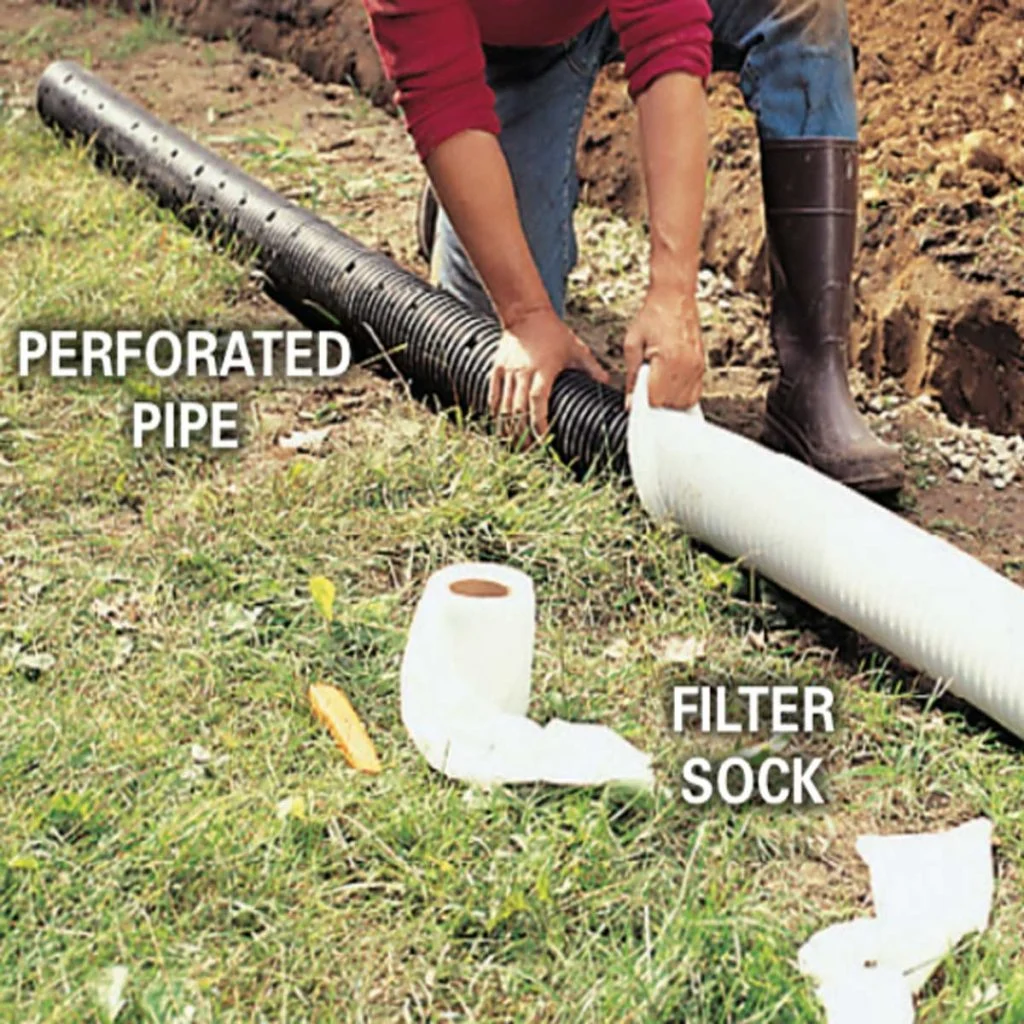
4) Big O piping
Sits in a trench usually below the footing level and is repaired as needed with membrane installation.
Be aware there may be blockages where excavation hasn’t occured
Ensure the sock over the pipe is intact to slow down future blockages by rocks and silt
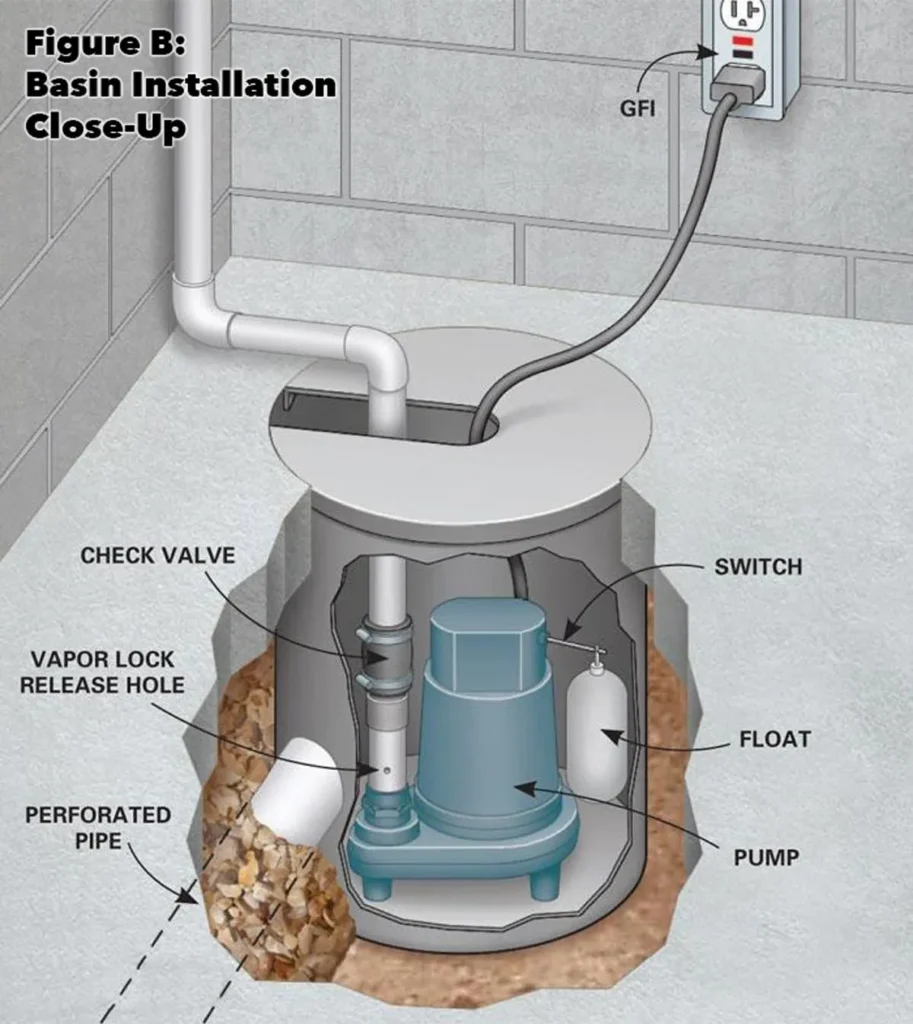
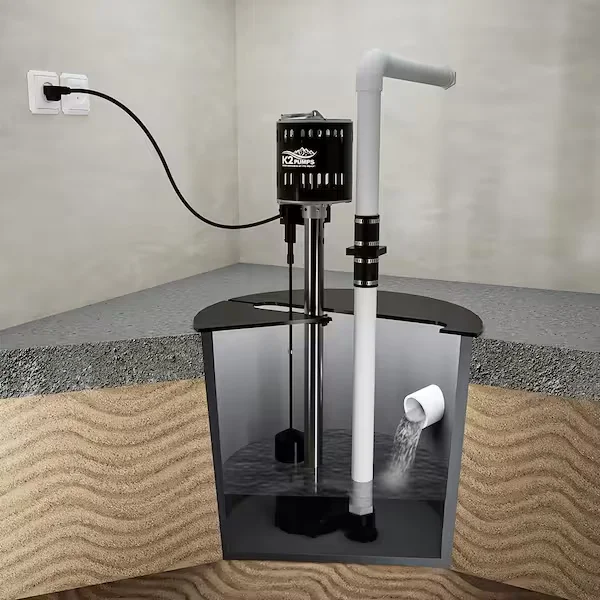
5) Sump pumps
are another option if your foundation is located in a chronically wet area or is subject to rain runoff from higher elevation
< Submersible pumps are quieter but dont last as long
Pedestal pumps are noisy but last longer > > >
When to Call a Professional
When you realize the job is not simple
Water entering during storms
Bowing or cracking foundation walls
Moldy smells that persist
Standing water against the house
Efflorescence spreading across large areas
Its an expensive job and best done by professionals to avoid the need for re-doing
6) Other Helpful Tips
Avoid mulch against the foundation — it holds moisture.
Seal foundation cracks before membrane installation
Gutter cleaning regularly
Extending sump pump discharge 15–20 feet
Installing weeping tile which distributes smaller amounts of water over a larger area, similar to septic tanks
Rain barrels (only if overflow is directed away from the house)
Add Window Well Covers as it can lessen some of the water absorbed close to the foundation
Clean rain gutters atleast once a year and add leaf guards, if trees are nearby
Conclusion
Grading your yard is one of the most effective ways to prevent basement moisture. By raising the clay soil near the house, sloping it outward, and extending downspout pipes, you create a natural barrier that keeps water away from the foundation. This alone solves most homeowers moisture problems.